Bowbazar and Sayambazar in the early morning have a rhythm all their own. Narrow lanes wake slowly, shop shutters rattling open, the smell of fried aloo chops mingling with the faint tang of metal from countless gold jewellery shops. One can almost hear the whispers of history in the clink of coins, the gentle hammering of gold in tiny workshops tucked away behind peeling walls.
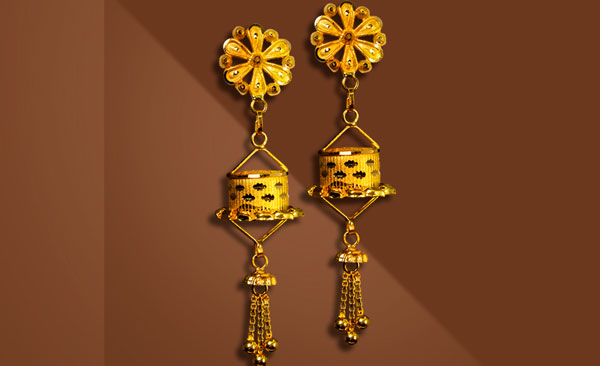
Kolkata has always been a city of gold. Not the flashy, impersonal kind of fashion capitals, but the gold that carries a story. Even under the Mughals, Bengali artisans shaped delicate filigree, set gemstones, and embroidered life into every ornament. Centuries later, during the colonial period, the city became home to wholesale gold jewellery shops, where generations of sonars honed their craft. Each bangle, necklace, or nose ring was both treasure and testament of skill, ritual, and identity.
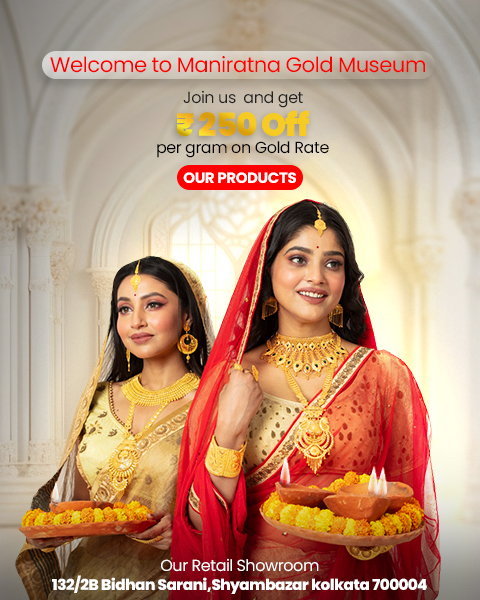
Silver too has its place here. Silver jewelry wholesalers line quieter streets, their wares less loud but no less intricate. And now, the Maniratna Gold Museum stands as a quiet sanctuary, displaying the elegance of hallmark gold jewellery, preserving the craft for those who seek to see history in metal.
Kolkata wears gold not merely as ornament. It is lived, breathed, passed down. In the hands of artisans, in the smiles of brides, in Bowbazar and Sayambazar, gold is memory, culture, and home.